
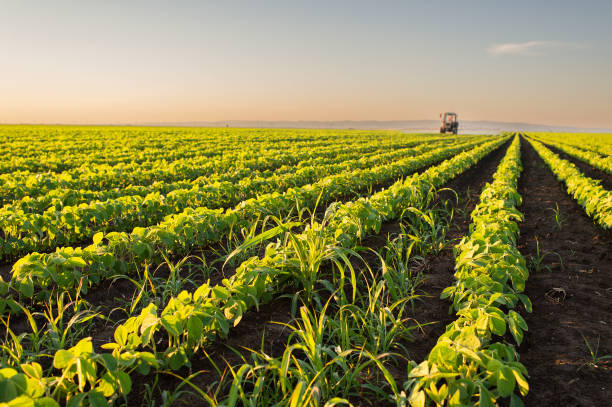
Agribusiness was not something I discovered in a classroom or through a trend. It grew on me gradually, shaped by real experiences, long conversations, and a growing awareness of how deeply food, sustainability, and economics are connected.
I have always been interested in business, but early on I realized that not all industries impact the world in the same way. Agriculture stood out to me because it sits at the crossroads of some of the most pressing global challenges: food security, climate change, economic development, and sustainability. What we grow, how we grow it, and how we bring it to market affects not only economies, but lives.
My first hands-on exposure to agriculture came through operational roles, where I saw the realities behind production — the inefficiencies, the environmental pressures, and the human effort required to keep systems running. That experience grounded my understanding of agribusiness beyond theory. It showed me that agriculture is not just about farming; it is about strategy, innovation, logistics, and long-term thinking.
As I continued my studies in business administration, my interest evolved. I became increasingly drawn to sustainability and innovation, especially in areas like carbon management and agricultural development. Working as an innovation consultant and later as an agribusiness specialist intern helped me see how technology, data, and business strategy can transform traditional agricultural models into scalable, future-ready systems.
What truly drives me is the idea that agribusiness can be both profitable and responsible. I strongly believe these two goals are not mutually exclusive. Sustainable agriculture is no longer optional — it is a necessity. Whether through carbon footprinting, organic farming practices, or smarter supply chains, agribusiness has the power to reduce environmental impact while creating long-term economic value.
Founding the IE Agribusiness Club was a natural extension of this mindset. I wanted to create a space where students from diverse backgrounds could engage with agribusiness not just as an industry, but as an opportunity for impact. The club reflects my belief that the future of agriculture depends on interdisciplinary thinking — combining business, technology, sustainability, and global markets.
At the same time, my background in digital marketing and real estate taught me the importance of positioning, storytelling, and market intelligence. Agribusiness does not exist in isolation; it must communicate its value clearly to investors, consumers, and policymakers. Understanding markets is just as important as understanding soil.
What keeps me motivated is the constant challenge. Agribusiness is complex, evolving, and deeply human. There are no easy answers, but there is real potential for meaningful change. Every project, role, and initiative I take on is guided by the same question: how can we build agricultural systems that are resilient, innovative, and sustainable in the long term?
This is not just a professional path for me — it is a commitment to shaping industries that matter.